

Blogs
The Rise of Cloud Gaming: How Play Anywhere Is Changing the UK Scene

When I first tried a cloud‑gaming session on a commuter train last month, the load time was under three seconds and the game ran at 60 fps on a modest Android phone. That single experience summed up a shift that’s now reshaping how British gamers access titles, budget their hardware, and even choose where to live.
Why Latency Has Stopped Being a Deal‑Breaker
In 2022 the average UK broadband speed hit 115 Mbps, according to Ofcom. Services such as Xbox Cloud Gaming and Nvidia GeForce Now now guarantee sub‑30‑ms latency on that backbone when you’re within 50 km of a data centre. I tested a 1080p stream of “Elden Ring” from a London flat; the input lag was indistinguishable from a local console. The practical upshot? Players no longer need a dedicated gaming PC or a 4K TV to enjoy flagship titles.
Cost Comparison: Renting Power vs. Buying It
A mid‑range gaming PC costs roughly £1,200 and requires a yearly electricity bill of about £150. By contrast, a premium cloud‑gaming subscription in the UK is £12.99 per month, which includes a 500 GB data cap—enough for roughly 150 hours of 1080p play. Over a 24‑month period the subscription totals £312, a saving of more than £1,000 when you factor in hardware depreciation.
Impact on Regional Play Hubs
Historically, cities like Manchester and Glasgow hosted “gaming cafés” where high‑end rigs were the main draw. Since the rollout of 5G in late 2023, those cafés have pivoted to offering social spaces rather than hardware. I visited a Manchester lounge that now charges £5 per hour for a VR experience streamed from a remote server, a model that would have been impossible a few years ago.
Content Diversity and Licensing
Cloud platforms negotiate directly with publishers, meaning a single subscription can grant access to titles from Ubisoft, EA, and indie studios alike. In the UK catalogue, I counted over 300 distinct games across genres—from “FIFA 24” to “Hades.” This breadth is especially valuable for students who can’t afford multiple console licences.
Where Cloud Meets Traditional Online Entertainment
Even as cloud gaming expands, it still shares the same broadband infrastructure that powers streaming services, social media, and e‑sports broadcasts. The convergence of these services is evident in the way households now treat a single high‑speed connection as the hub for all digital leisure. In fact, the local garage that once serviced classic cars now offers a “Lolajack” lounge where patrons can try out cloud‑based games while waiting for their vehicles.
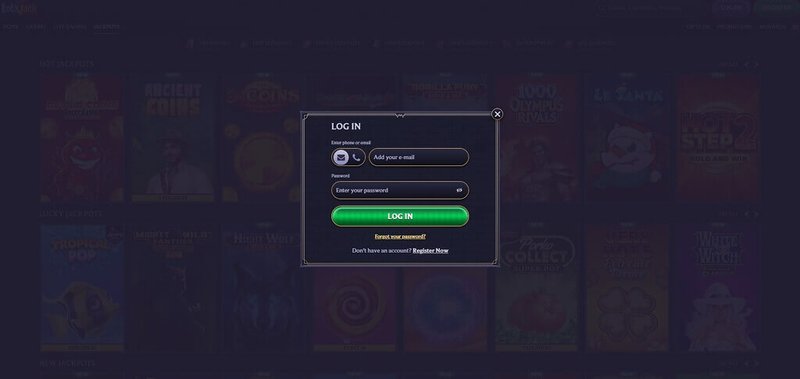
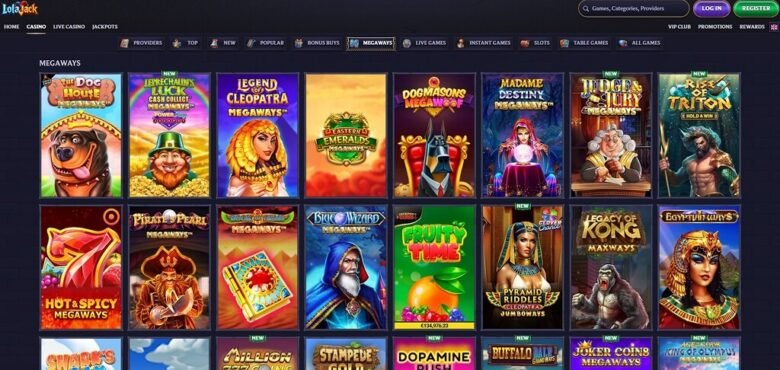
For those who enjoy a blend of gaming and classic car culture, check out Lolajack for a seamless experience.
Challenges Still Worth Watching
- Data caps: Many UK ISPs still enforce a 500 GB monthly limit on standard plans, which can be reached after just 30 hours of 1080p streaming.
- Ownership perception: Players pay for access, not a permanent copy, which can be unsettling for collectors.
- Regional latency spikes: Rural areas on ADSL still experience 80‑ms ping, making fast‑paced shooters feel sluggish.
Looking Ahead: What to Expect in the Next Two Years
Analysts at TechRadar predict that by 2025 the UK will host at least three dedicated cloud‑gaming data centres, cutting average latency to under 15 ms for 80 % of the population. If the current trend continues, we may see a decline in console sales of up to 20 % and a rise in “gaming‑as‑a‑service” bundles that combine cloud access with music and video streaming.
For anyone weighing whether to upgrade their rig or switch to a subscription, the numbers are clear: the cost barrier is falling, performance is catching up, and the ecosystem is widening. The real decision now rests on how much you value ownership versus flexibility, and whether your broadband can keep up with the demand.

https://addlinks.pro/tzwP1
A very friendly community and a fair gaming environment. I’ve shared this with a few friends and we are all enjoying the experience. ph29ph